
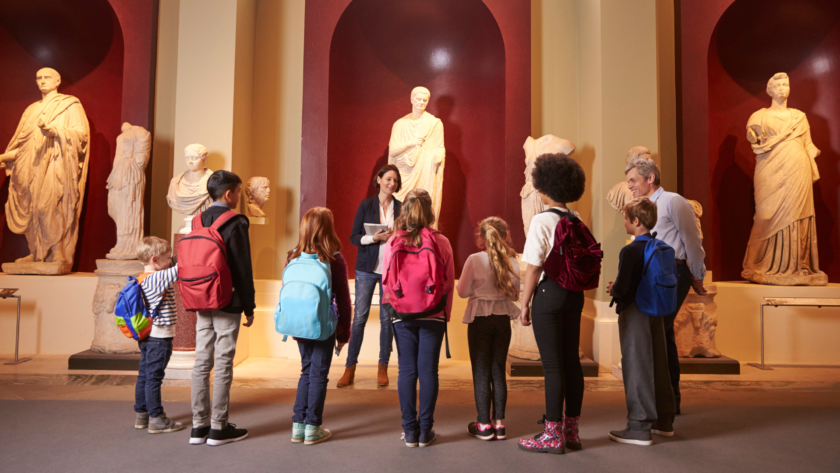
School trips have long been a staple in educational systems worldwide, offering students opportunities to explore, learn, and grow outside the confines of a traditional classroom. These excursions, whether they are local day trips or extended overseas adventures, provide a myriad of benefits that enrich the educational experience and contribute to the holistic development of students. This blog explores the key advantages of school trips and why they are a vital component of modern education.
Experiential Learning
This independent school in Surrey suggests that one of the primary benefits of school trips is the opportunity for experiential learning. Unlike textbook learning, which can sometimes be abstract and difficult to visualise, school trips provide hands-on experiences that make learning tangible and memorable. For instance, visiting a historical site can bring history lessons to life, allowing students to see and touch the artifacts and places they have read about. Similarly, a trip to a science museum can provide interactive exhibits that deepen understanding of complex scientific concepts. This type of learning not only enhances comprehension but also fosters a deeper connection to the subject matter.
Cultural Exposure
School trips, especially those to different regions or countries, expose students to diverse cultures, traditions, and ways of life. This cultural exposure is invaluable in fostering global awareness and empathy. When students interact with people from different backgrounds, they gain a broader perspective and learn to appreciate diversity. Such experiences are crucial in today’s interconnected world, helping to develop open-minded and culturally sensitive individuals. Additionally, cultural exposure through school trips can spark an interest in global issues and inspire students to become active, informed global citizens.
Social Skills and Team Building
School trips also play a significant role in developing social skills and promoting teamwork. Being away from the usual school environment requires students to navigate new social settings and interact with peers in different contexts. This can help shy or introverted students come out of their shells and build confidence. Moreover, many school trips involve group activities and challenges that require teamwork and collaboration. These experiences teach students the importance of working together, communicating effectively, and supporting one another, skills that are essential in both personal and professional life.
Independence and Responsibility
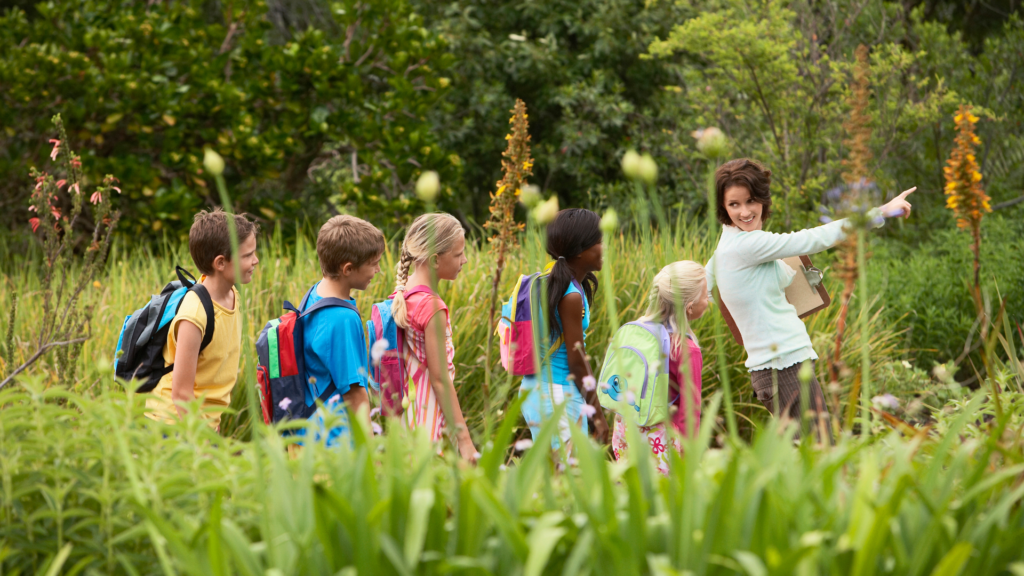
Leaving the familiar surroundings of home and school can be a big step for many students, but it is an important one in fostering independence and responsibility. During school trips, students often have to manage their own belongings, adhere to schedules, and make decisions without constant supervision. This independence encourages them to take responsibility for their actions and develop problem-solving skills. Such experiences are particularly beneficial for older students preparing for the transition to college or the workforce, where self-reliance is crucial.
Enhanced Teacher-Student Relationships
School trips provide a unique opportunity for teachers and students to interact outside the formal classroom setting, fostering stronger relationships and better understanding. Teachers can gain insights into their students’ interests, strengths, and challenges, which can inform and improve their teaching methods. Conversely, students often see their teachers in a different light, which can lead to increased respect and rapport. These strengthened relationships can enhance the overall educational experience and contribute to a more positive and supportive learning environment.
School trips offer a wealth of benefits that extend far beyond academic learning. They provide experiential learning opportunities, cultural exposure, social skill development, and foster independence and responsibility. Moreover, they enhance teacher-student relationships, making the educational journey more engaging and effective. As such, school trips should be embraced and integrated into the educational curriculum, ensuring that students have the opportunity to explore, learn, and grow in diverse and meaningful ways.


