As a parent, your child’s wellbeing is likely a top priority, but unlike when they’re unwell or have grazed a knee, it can be difficult to monitor their mental health. However, your child’s mental wellbeing is equally as important as their physical health, so you should look for ways to support your child where you can. Here’s some advice from a private school in Hertfordshire.
Talk to Your Child
Make sure your child knows that you are someone they can talk to about anything and everything by being friendly and approachable. Remind them on a regular basis that you are there for them no matter what and be sure to check in and see how they’re feeling from time to time. Show them that it’s ok to ask for help and try to avoid judgement, even if they tell you something that you’re not particularly happy about. If your child thinks that you are going to be mad or upset about something they tell you, they might feel less inclined to open up. You should also try and provide positive feedback where possible, to help boost their self-esteem and sense of pride.
Show an Interest
When chatting to your child, try not to stick to surface level small talk. Instead, show a genuine interest in their life by asking about their friends, hobbies, likes and dislikes. Listen to their ideas and opinions and don’t turn them away when they come to you with questions, even if you’re busy. Keep an eye on them and pay particular attention to any random behavioural changes. The more support you offer to your child, the more confident they will feel, which is great for their overall wellbeing.
Promote Healthy Lifestyle Choices
If your child has a poor diet and doesn’t get enough sleep, their mental health can be affected. For example, lack of sleep can actually worsen symptoms of anxiety, depression, and other mental health issues. So, make sure your child makes healthy lifestyle choices such as going to bed at a reasonable time, eating a balanced diet, and getting plenty of exercise. Exercise actually boosts the release of “feel-good” hormones which can reduce stress and anxiety, so this is certainly something you should encourage.

Reduce Phone Use
Spending hours on end with their head buried in a screen is not good for your child’s physical or mental health, so try and reduce their screen time where possible. Spending time outdoors and bonding with friends and family are great for their overall wellbeing, so try and encourage these types of activities instead. Go for mindful walks or bike rides together and encourage them to pursue their hobbies.
Talk to their Teachers
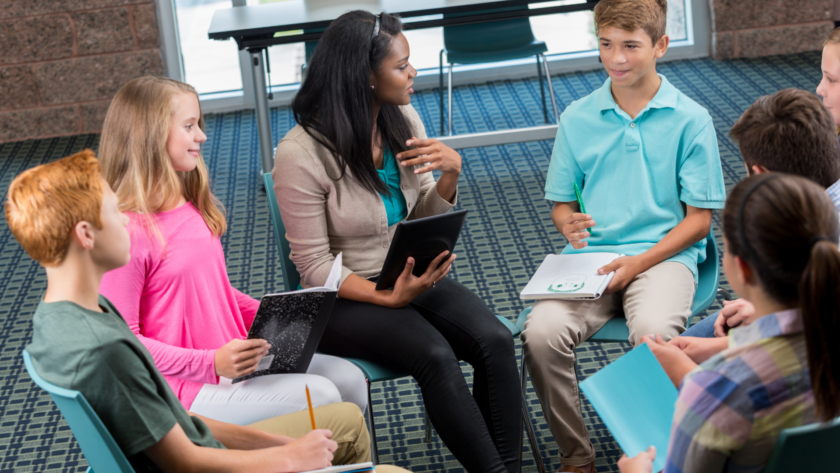
Your child spends a significant amount of time at school so their teachers might know more about what’s going on in their life than you. With that said, keep in touch with your child’s teachers to get some insight into their school life, such as how they’re getting on in class or who they’re friends with. Keeping on top of certain issues will prevent them from becoming bigger problems later down the line.
Be a Good Role Model
Try and show your child how to deal with their emotions in a healthy and positive way. By modelling decent coping mechanisms, your child will pick up some strategies of how to deal with things when they feel a similar way. If you feel stressed after work, talk to your child about what you’re going to do to wind down, like taking a bath or relaxing on the sofa. If you feel angry, try not to shout and swear. The way you behave will directly impact your child’s own behaviour.